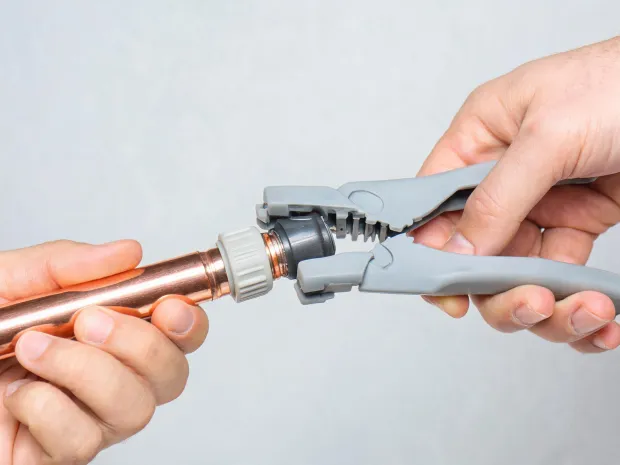
How to remove a fitting
Use the right release tool, support the pipe and avoid twisting the line in tight spaces. Removal guidance is most useful when the fitting remains accessible and the repair area is not under stress.
How-To Guides
The easiest repair is still easier when every step is visible. These guides turn common questions about Sharkbite fittings, valves and hand tools into a simple routine you can repeat at the bench, in a wall cavity or under a fixture.
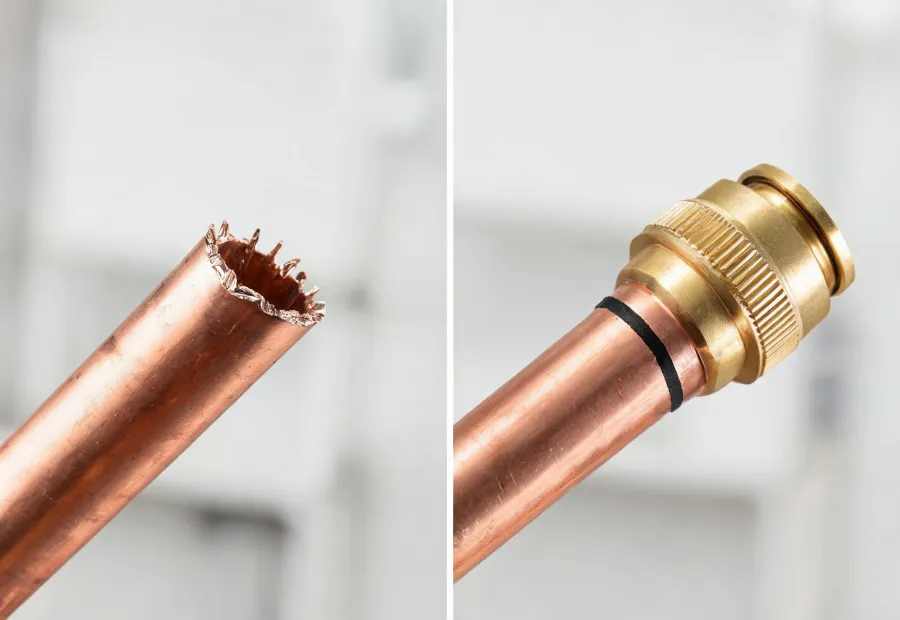
Step Layout
This page is built for installation guidance. The input cards help you think through size, material, access and tool readiness before choosing a product family.
Record whether the line is copper, PEX, CPVC or a transition between materials. Confirm outside diameter and note whether the pipe is round, clean and accessible enough for a square cut.
Decide if the job needs a coupling, elbow, tee, adapter, angle stop, ball valve or removal tool. This narrows the catalog from a broad list to the parts that match the repair.
Cut square, remove burrs, mark insertion depth and keep the line aligned. These are the small steps that make a push-to-connect fitting easier to seat and inspect.
Push to the mark, confirm full seating, check valve direction where relevant and inspect the repair after water is restored. If the fitting is accessible, keep the correct release tool nearby.
Common Guide Paths
Use the right release tool, support the pipe and avoid twisting the line in tight spaces. Removal guidance is most useful when the fitting remains accessible and the repair area is not under stress.
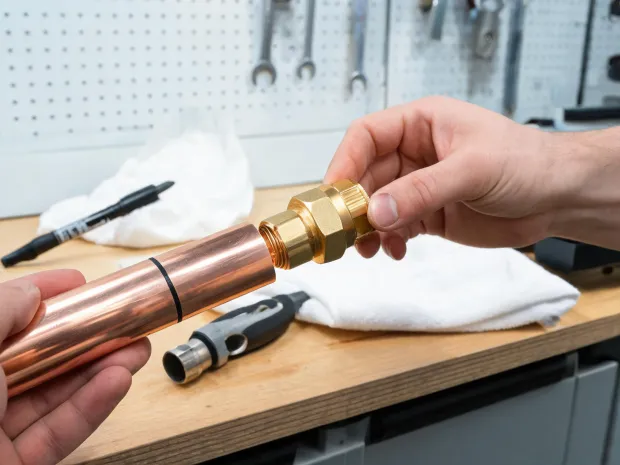
Cut square, deburr the pipe, mark depth and push the fitting firmly to the mark. Copper repair questions often come down to surface condition, access and careful preparation.
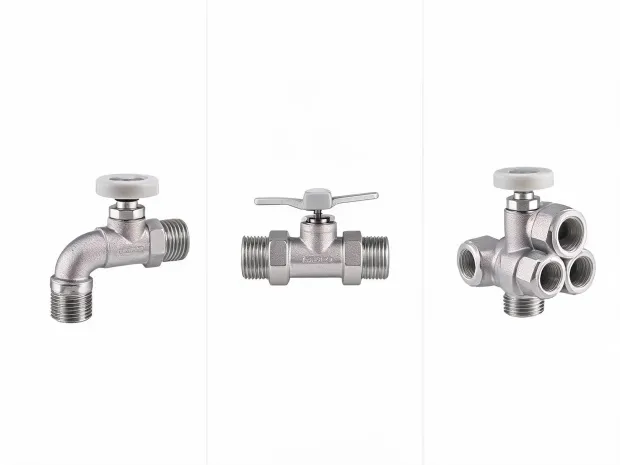
Look at fixture type, handle clearance, outlet need and whether the line will be serviced again. Valve selection is easier when the shut-off purpose is described before the part is picked.
Need the next step?
Sharkbite can help you interpret an install or removal scenario before the fitting is selected, especially when access is tight or the pipe material changes across the repair.
Project Help